ERP software streamlines operations, boosts productivity, secures data, and enables real-time decisions.
Before Scenario of a Company without ERP
This blog describes the company's operations before the implementation of ERP software. At that time, the company managed various departments such as Marketing and Sales, Research and Development, Support, and the Onboarding Department. Each department worked independently, and there was no unified system, like an ERP system, to coordinate their activities or data.
But before ERP was introduced and implemented, did the departments of the organization face problems? Yes, in the absence of ERP software, the departments faced problems like:
Marketing vs Sales
For example, suppose the marketing department launched a new product called “ProClean” as part of a summer cleaning campaign to promote the company’s brand. The marketing team collected valuable lead data from interested customers through online ads and trade shows, but did not share this information with the sales department.
As a result, the sales team was unaware of these leads and could not follow up with potential buyers, which led to miscommunication, lost opportunities, and poor coordination between departments.
Data or IT Systems
Suppose a company needs to store customer email address data, for which it is using three different software systems that are not connected. This data is entered for different purposes: customer service, sales, and billing. This may lead to misplacement, repetition, or inconsistency of data.
Poor Inventory Management
A department handling warehouse or inventory management may face issues like overstocking or understocking of inventory. Inventory is not properly tracked when sending or receiving warehouse stock.
No Remote Work Control
Now, when a company works with Tally Prime (formerly Tally ERP 9), it takes a license and connects with remote access across departments to track operations and maintain consistency in data handling, resulting in a better workflow.
But earlier, no remote access was available, and there was no single integrated software application through which a company could manage daily tasks. This made operations difficult without a proper system, leading to poor management and inconsistent data.
In this way, companies faced problems and were unable to track data across different software systems. Professionals had to repeat data entry in multiple systems, leading to inefficiency.
Poor Coordination
Due to these shortcomings, ERP software systems were introduced to manage and handle all data related to accounting, HR, sales, and more. ERP ensures data security, privacy, and proper storage systems, helping to build a smooth and efficient workflow in company management.
What is ERP?
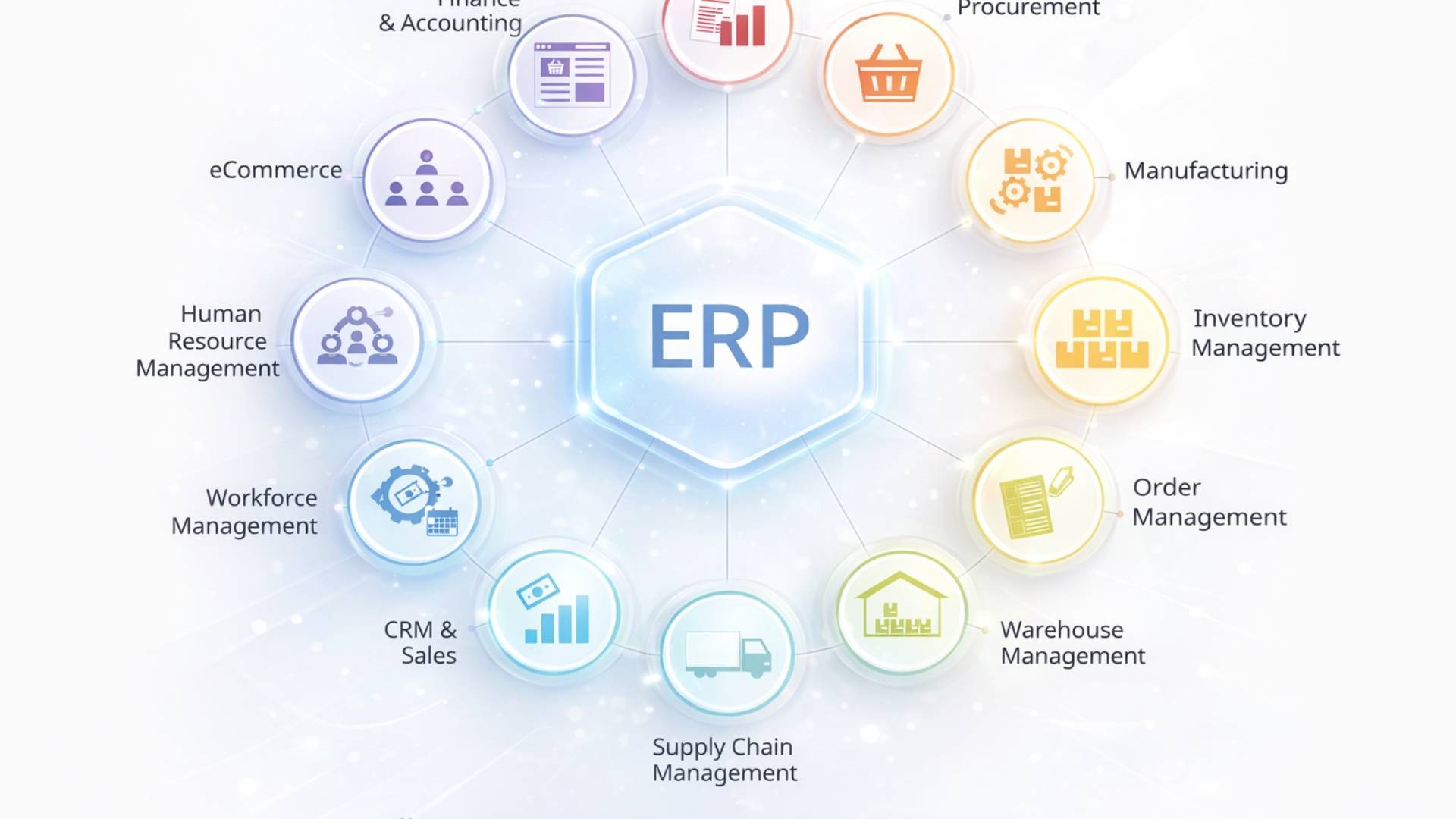
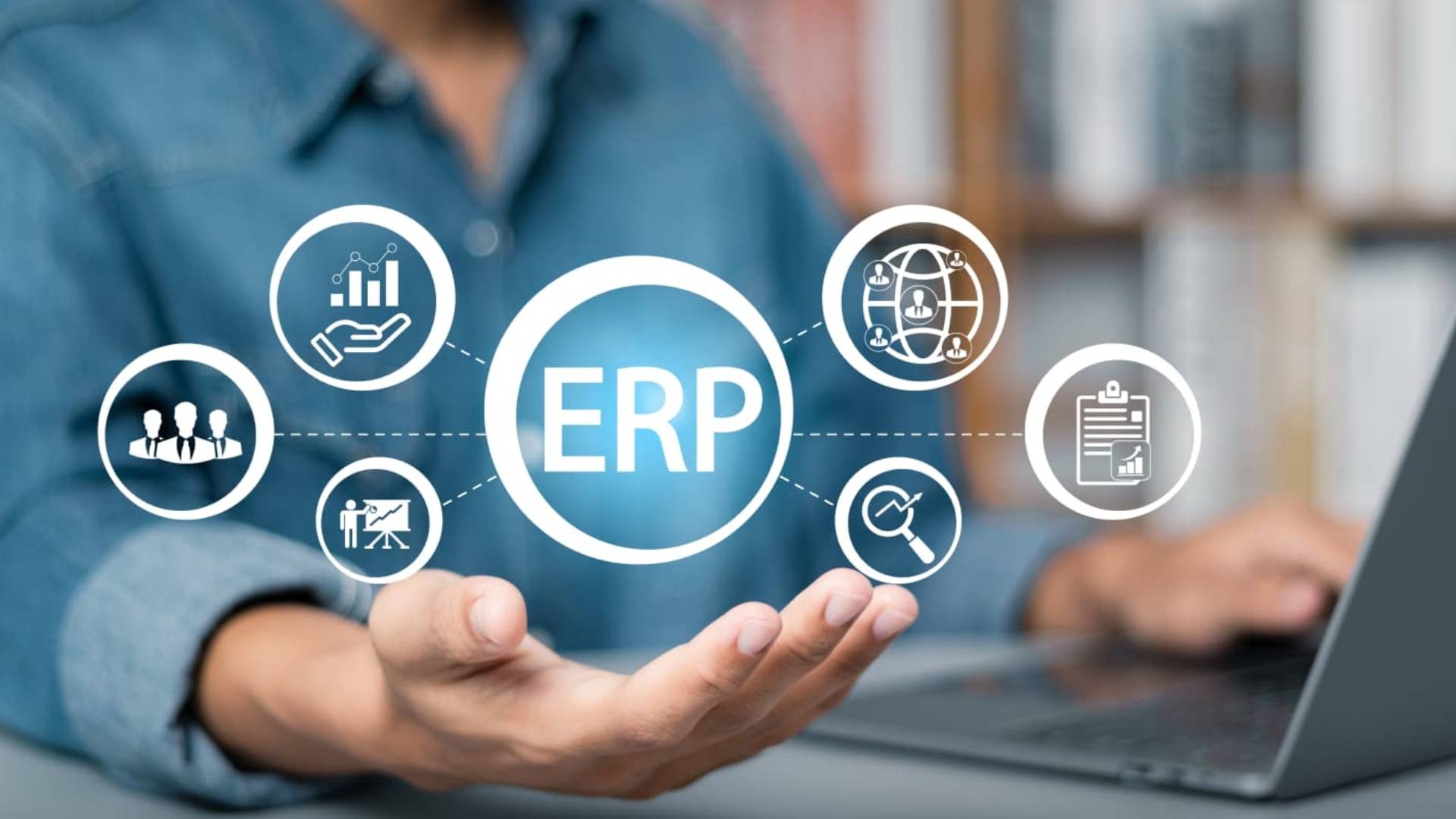
Enterprise Resource Planning (ERP) is business management software that manages all day-to-day operations and processes related to inventory, accounting, HR, and business workflows.
How is ERP Beneficial for Companies Across the Globe?
ERP systems help unify all departments and their data into a single platform. ERP software provides several benefits for smooth and efficient business operations, such as:
Data Security
ERP systems keep data protected, as all data is stored in one centralized system rather than scattered across multiple platforms with varying levels of security. Thus, ERP improves data security.
With cloud ERP systems, data is distributed across multiple remote servers, ensuring better safety and reliability compared to traditional systems like Excel or Word.
Standardized and Centralized Data
ERP stores all data in a centralized database, preventing data inconsistency and duplication. At the same time, data can be accessed through distributed cloud systems when required.
ERP ensures standardized and centralized data management, improving consistency, productivity, and efficiency in business operations.
Compliance
ERP software helps maintain records efficiently, making them easy to search and verify. It ensures that business data complies with regulatory requirements and industry standards.
Cost Reduction
ERP systems minimize operational costs, eliminate unnecessary processes, and optimize resource utilization, making business operations more cost-effective.
Increased Productivity
ERP software helps companies work faster and more efficiently. It automates repetitive tasks and allows employees to focus on more important projects. ERP enables faster completion of work with accuracy and consistency, thereby increasing overall productivity.
Mobility
Today, most businesses use mobile devices and tablets instead of traditional computers. Modern cloud ERP software allows users to access business data anytime, anywhere through mobile devices, making ERP systems flexible and user-friendly.
ERP vs AI
AI-powered ERP systems enable businesses to integrate Machine Learning and Natural Language Processing (NLP) to automate accounting, inventory, and invoicing processes.

Intelligent Automation
AI-driven workflows automate daily operations such as invoicing, accounts payable, and inventory management, significantly reducing human errors.
Predicting and Forecasting
ERP integrated with AI can predict inventory needs, track stock levels, and forecast financial outcomes. This helps businesses avoid overstocking and shortages, improving decision-making.
User Interaction
Natural Language Processing (NLP) allows users to interact with ERP systems through text, voice, or messages, making communication smoother and improving user experience.
Who Can Use ERP Software?
ERP software is used by organizations of all sizes worldwide to manage inventory, accounting, and operations efficiently. Industries such as manufacturing, wholesale, retail, and service sectors use ERP systems to improve productivity and eliminate repetitive tasks.
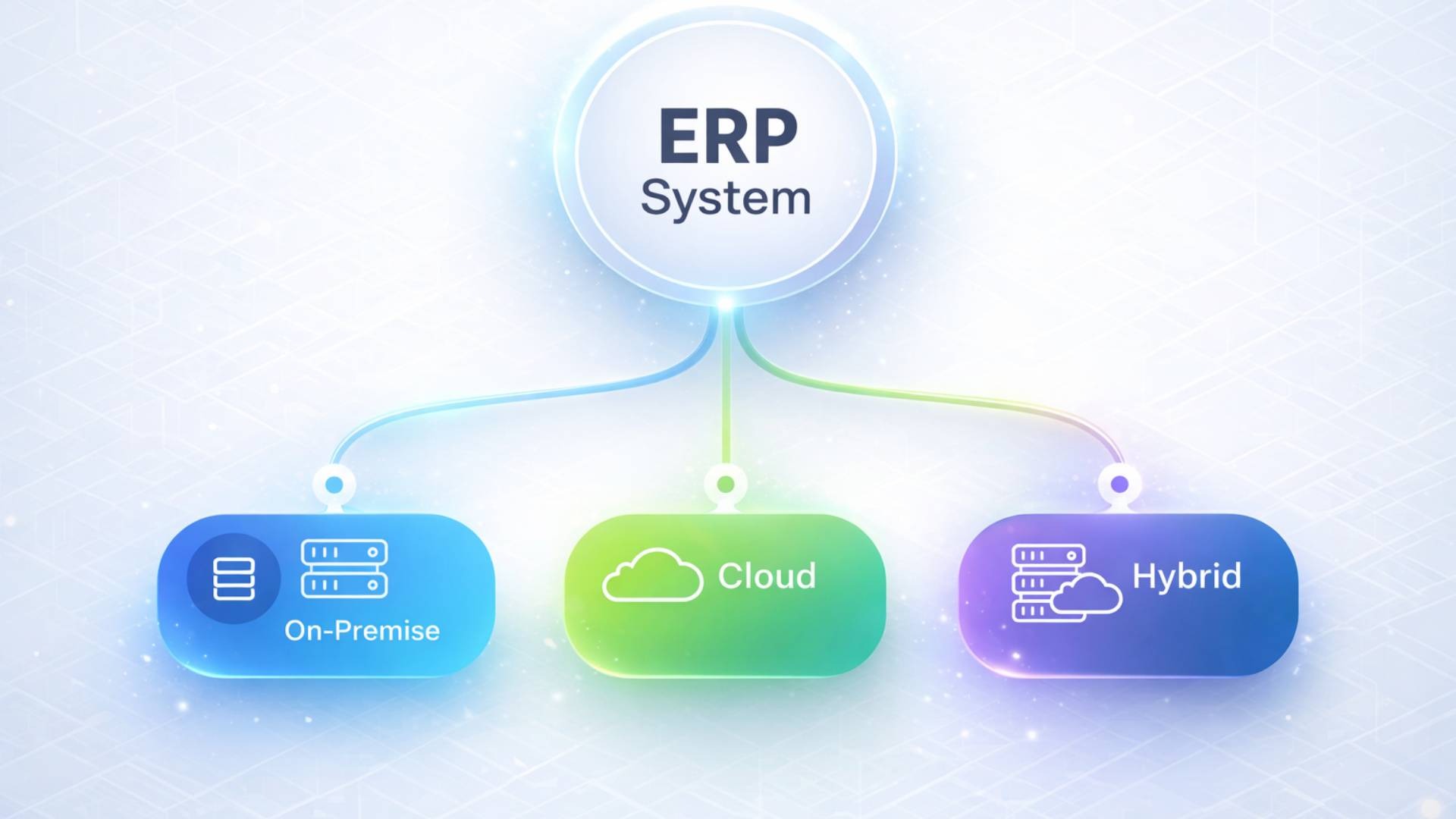
Types of ERP Software
On-Premise ERP
On-premise ERP systems are installed on a company’s hardware and servers, offering better control and customization. However, they require high investment and maintenance.
Cloud-Based ERP
Cloud ERP is provided by vendors and requires an internet connection. It offers lower costs, automatic updates, and scalability, making it the most popular choice today.
Hybrid ERP
Hybrid ERP combines both on-premise and cloud ERP systems. It allows companies to keep sensitive data in-house while using cloud features for flexibility and scalability.
Conclusion
An ERP (Enterprise Resource Planning) system is a powerful business solution that integrates all core functions into a single unified platform. It helps organizations streamline operations, improve efficiency, and make data-driven decisions in real time.
By automating routine tasks and centralizing data, ERP reduces errors, saves time, and enhances collaboration across departments. It also supports scalability, allowing businesses to grow and adapt to changing market demands without disrupting operations.
“ERP connects your business, turning data into smarter decisions.”