Cloud Computing: Meaning, Benefits, and Comparison with On-Premise IT
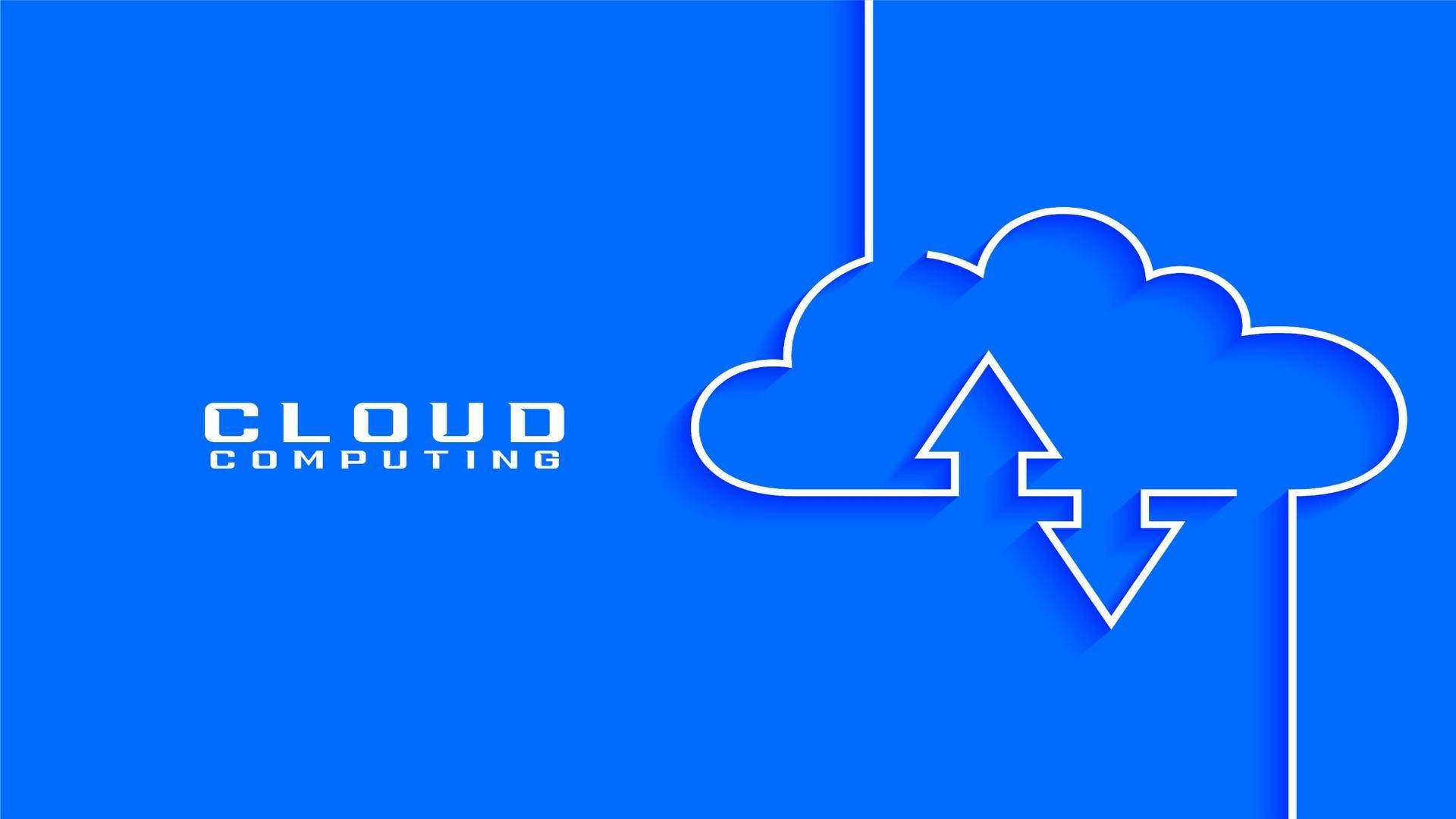
Cloud computing stores data, runs applications, and provides services online without requiring physical hardware. It is fast, scalable, and cost-efficient.
What Happened Before Cloud Computing Emerged?
Before cloud computing was introduced, the IT sector was dominated by on-premises setups, where organizations followed multiple steps to perform routine tasks. These included:
Buying Servers and Hardware Components:
Earlier, companies used to purchase servers and other hardware to manage their operations.
Maintaining and Upgrading Servers:
Organizations had to regularly maintain and upgrade physical servers based on their requirements.
Monitoring and Reporting:
On-premises setups required constant monitoring and reporting to decide when to upgrade or downgrade systems.
Handling Website Traffic and Scaling:
Companies had to manually analyze website and application traffic and scale infrastructure accordingly.
Recruiting Security Professionals:
To handle unauthorized access and cyber threats, organizations needed dedicated security professionals.
Disadvantages of On-Premise Setup
Before cloud computing services, IT professionals faced several challenges while managing on-premises systems:
Server Maintenance:
Companies needed professionals available 24/7 to maintain servers and infrastructure.
High Expenditure:
Organizations had to invest heavily in hardware upgrades. Even when traffic was low, hardware remained idle but still required maintenance, increasing operational costs.
Data Privacy and Security Issues:
Although data was fully controlled internally, managing security without specialized infrastructure often led to weaker protection.
Limited Scalability and Flexibility:
Scaling up was possible, but scaling down was difficult, making resource optimization inefficient.
What is Cloud Computing?
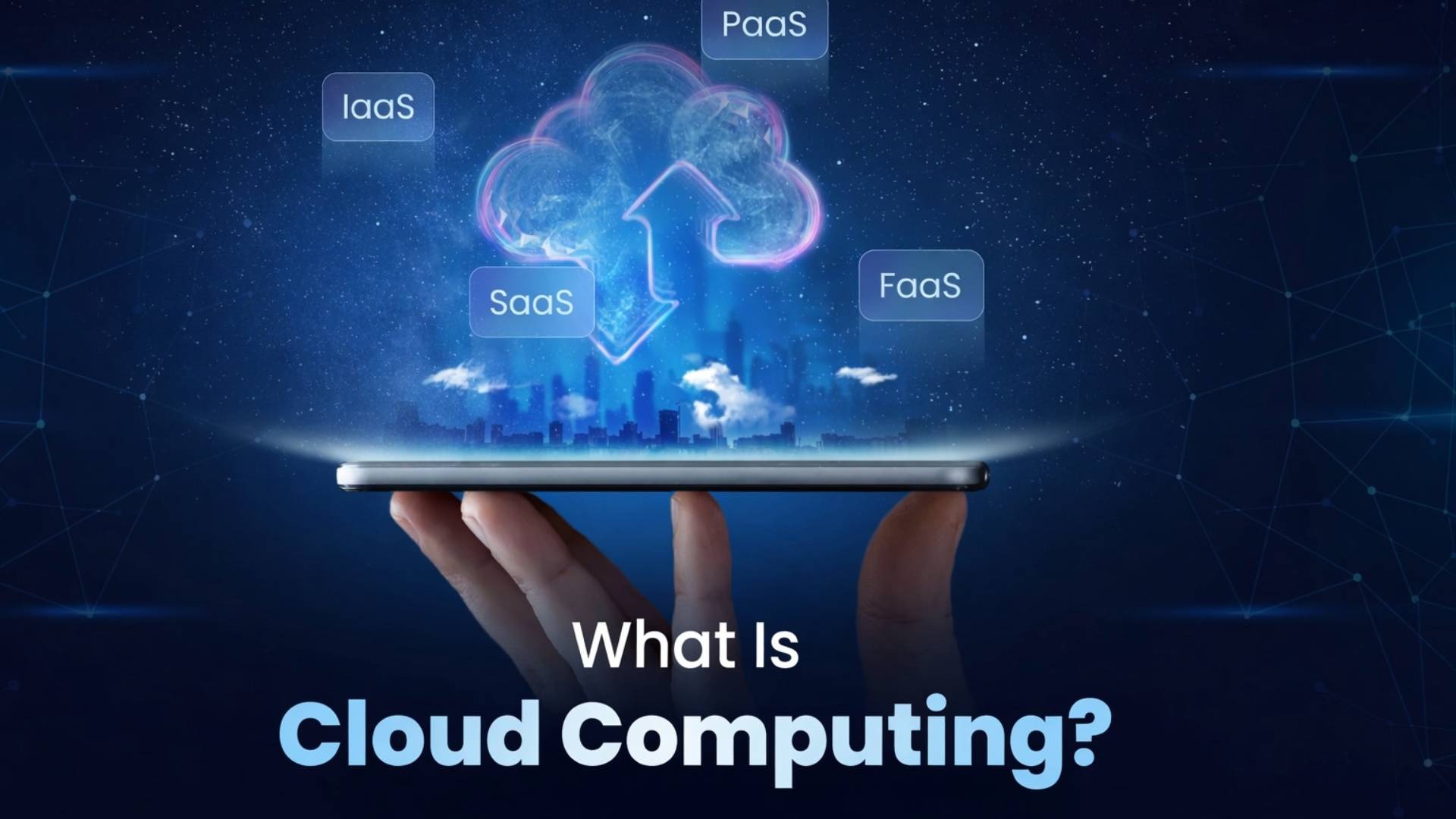
In simple terms, cloud computing is a technology that delivers computing resources as services over the internet. For example, platforms like Google provide tools such as Google Docs and Google Sheets, which run directly in a web browser. These tools are easy to use, accessible, and improve productivity. Cloud computing provides on-demand access to services such as:
- Scalable IT solutions
- Online data backup
- Cloud-based applications (like Fixano, Pixano, etc.)
These services are hosted on platforms like Google Cloud.
Benefits of Cloud Computing
Cloud computing offers several advantages:
Data Privacy and Security:
Cloud providers like AWS and GCP employ top security experts and advanced systems to ensure strong data protection.
No Maintenance Hassle:
Users don’t need to manage hardware. Cloud providers handle all maintenance, updates, and infrastructure.
Business Transformation:
Cloud computing improves cost efficiency, scalability, performance, and global collaboration, transforming modern business operations.
Online Data Backup:
Data can be accessed anytime, anywhere. Cloud platforms automatically back up data without manual effort.
How Cloud Computing Helps the IT Sector
Cloud computing supports IT professionals by:
- Reducing hardware costs
- Improving scalability
- Enhancing productivity
- Promoting innovation and creativity
- Cloud Computing vs Traditional (On-Premise) IT
Maintenance:
Cloud computing automatically manages servers and updates applications. No physical maintenance is required. Whereas, On-premises setups require constant manual maintenance by IT professionals.
Cost Structure:
Cloud computing follows an operational expense (OpEx) model.
On-premises IT relies on capital expenditure (CapEx).
As a result, adopting cloud infrastructure allows organizations to store, access, and share data easily from anywhere.

Types of Cloud Computing
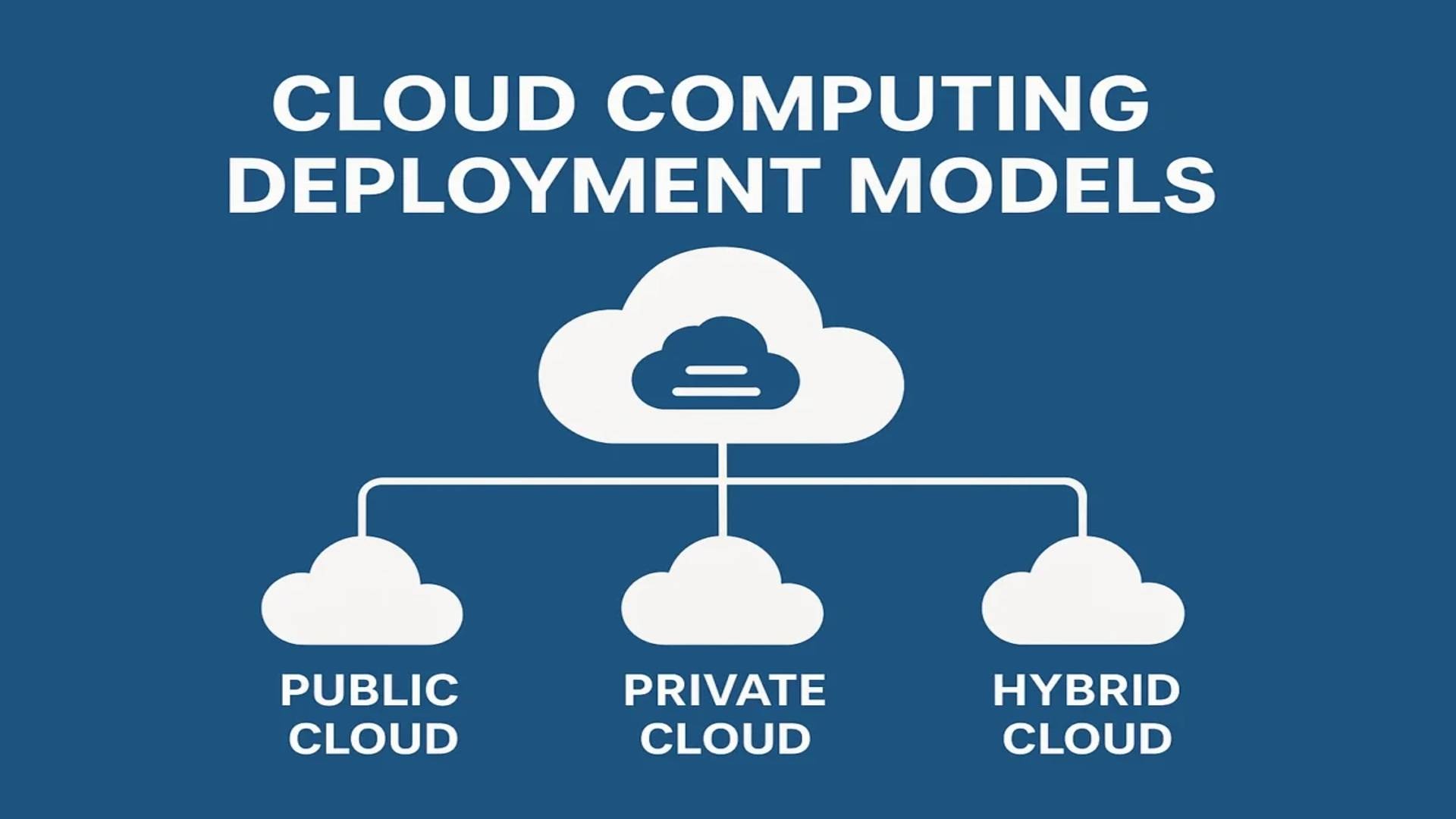
Cloud computing is mainly divided into three types:
Public Cloud:
Data is stored and managed over the public internet. Examples include AWS and Google Cloud. Users can store and share data easily using services like Google Drive.
Private Cloud:
Used exclusively by a single organization for enhanced security and control. Example: Dell.
Hybrid Cloud:
A combination of public and private clouds, offering better flexibility and security. Example: AWS hybrid solutions.
Cloud computing also enables professionals to back up and retrieve data efficiently.
Conclusion
Cloud computing has become a powerful technology that benefits both individuals and businesses. It simplifies data storage, software access, and IT services, making them faster and more efficient.
Instead of investing in expensive hardware and maintenance, users can access everything through the internet with flexibility, scalability, and improved performance.
Cloud computing: simplifying technology for a connected world.